There are many fantasy fiction tropes that run through the genre through the ages, witches and wizards, magic, mythical creatures, dark lords and warlocks, so many to name. One of the most consistent tropes is that of royalty, kings and queens. There are bad kings and queens for sure, but I have noticed that a very common trope is to have aspirational attitude and overall admiration to royalty. I’m sure it’s no surprise that much of the fantasy fiction genre was established in countries with monarchies (Tolkien, George MacDonald of the Princess and the Goblin, C.S. Lewis The Lion, the Witch and the Wardrobe in the UK for example, Hans Christian Andersen’s The Snow Queen from Denmark) and others like George R.R. Martin and Robert Jordan taking big inspiration from medieval Europe for their writings, A Song of Ice and Fire and The Wheel of Time respectively. Therefore, in the case of those from European monarchies, it was what the authors knew from real life, and they adapted it into their novels.
Lesser men
One aspect of this really struck me from the Lord of The Rings film the Return of the King was the idea of lesser men, in the extended version, Gandalf says that as the Kings neglected their realm, the rule of Gondor was passed to lesser men – meaning the stewards of Gondor after the line of Kings was broken. I’m couldn’t find the words in the book, so I’m not sure whether Tolkien wrote these words himself. However, in the book, when Gandalf and Pippin first arrive in the hall of Denethor, the stewards sat on a lesser throne, reserving the real throne for the king. There is an inherent and unsubtle idea that royalty is supreme and even divine. The book concludes when Aragon, the heir to Isildur returns to take to his rightful place as King of Gondor. Tolkien isn’t an exception; it’s a consistent trope that runs through fantasy fiction.
I want to break with that trope. A huge reason for this is my own firmly held belief, perhaps my earliest ever political belief in Republicanism (not in the sense of the political party in the USA but rather, being anti-monarchy). The fantasy ideal doesn’t need to be monarchy and have a king or queen ruling over the fictional realm, I strongly believe it’s not ideal for the real world, and I’d go so far as even to say it shouldn’t be for fantasy either.
Throughout my writing, I want to maintain the trope of monarchy, I do see it as a mainstay of fantasy fiction. However, I want to challenge the way we look at it, and even its seeming solution for rule in fantasy
Linguistics
I grew up in the UK, but I spoke Greek at home, and I was always fascinated with the fact that in Greek, the word for Republic is Δημοκρατία – Democracy. Μοναρχία – Monarchy literally means one or sole rule, similar to the English word of Greek origin autocracy, meaning self-rule.
Now, in practice they mean different things, in Greek and in other languages monarchy is often different from autocracy, in Greek the word is απολυταρχία meaning absolute rule. Autocracy in the English sense and monarchy are certainly not interchangeable, and there are plenty of republics which are autocracies and monarchies that are constitutional monarchies and function as democracies, like those in Europe. Yet the linguistic fact remains.
Challenging the longstanding trope
In my writing, I have really tried to take on this trope. My works definitely include kings and queens, I don’t mean to break with the trope per se, but what I really want to challenge is the way they are perceived, and in my writings, I want to associate monarchy with being something negative.

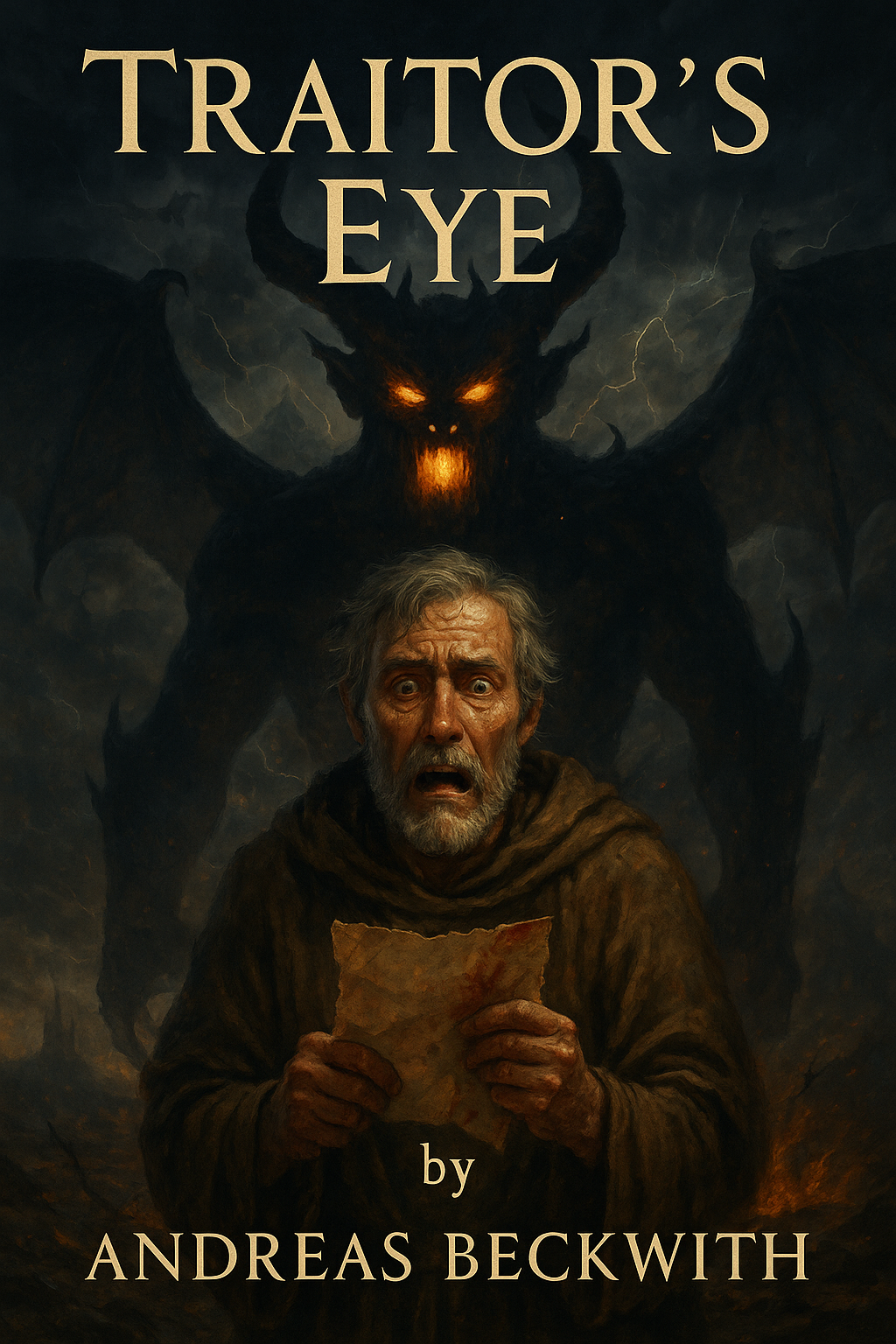
I can’t go into full detail here to avoid spoilers, but what I can reveal, I will. The Guardians who once ruled Rumithia did so in an alliance of equality, not democratically elected by any stretch of the imagination, but ruling as representatives of their races (their parties you could say), before they collapsed. This period was idolised in Rumithia throughout the ages as a time when things were good, there was peace and equality between the races. This was a time when there were no kings or queens. Compare that to the situation that came after it, with the giants taking over and establishing a dynasty that was an autocracy, of one race dominating the others. It culminated in a monarchy, when Felim the Grim decided to crown himself King of Rumithia. I want to embrace the trope in some ways, to show how it is an ideal that powerful individuals aim for, but crucially not what is called out for by populations.
However, for Felim, this is where it goes all wrong. His vain pursuit of monarchy leads to his death. You will have to read the book Traitor’s Eye when it’s out to understand what happened here, but I make a point of noting his brother and heir Garbhán forwent the title of King, understanding that it was a poisoned chalice, and so Rumithia is spared another monarch.
In-keeping with the trope though, the ambition of monarchy is present throughout. After his rapid success, his capture of Rithagow and coming to dominate large parts of Rumithia, Kelorne harbours ambitions to become a king. Even after Gongore comes to power in Rumithia, it’s his ultimate ambition to reclaim Rithagow and become king. An elusive goal and a poisoned chalice.
Monarchy as a negative
Throughout my writing, I want to maintain the trope of monarchy, I do see it as a mainstay of fantasy fiction. However, I want to challenge the way we look at it, and even its seeming solution for rule in fantasy. Everyone aims to become king or queen, it’s a resolution of sorts, Dain Ironfoot becomes King of Edoras in the Hobbit, Aragon becomes King of Gondor at the end of Lord of the Rings. In the series Game of Thrones, the series (we don’t yet know about the book) Bran becomes King of the Six Kingdoms, with d Sansa becoming Queen of the North.
In my writing and in my world, I want to propose alternative ideals to the idea of rule and challenge the positivity of kings and queens.