In my last blog post, I looked at the rooklins, the mystical third race of Rumithia. It rightly came before this post about the giants, as its a race that is entirely fictional and original, and thus needed more explaining. Now we come to another race of creatures, the second race after humans, the giants.
Who are the giants?

They are not just tall humans, they have characteristics that are unique to them as a race. First of all, they are builders. They built much of what exists in Rumithia, including Rithagow tower – twice, as well other important buildings that will be revealed later. Owing to their size and strength, they are physical creatures and adept at manual labour.
This is a feature even in other areas, for example when they go to battle, they don’t use swords or arrows, they use hammers and axes, tools of labour. Secondly, a characteristic that goes through their race is pride. They are a proud bunch, take pride in their history and their people. This pride can be something that can benefit them, but also can cause a lot of problems as you will see. There is also an overriding sense of kinship between them in the most wholistic sense. They trust in each other above the other races, although as you will see, they divide themselves up within their race to devastating effect.
They speak a different language also called Harberdah. However, they are very steeped in the common tongue, more so than the rooklins who will always speak Ellenian amongst each other and with those who can speak Ellenian. They often speak the common tongue to each other.
Finally, another key aspect of the giants is their attachment to Kasban. In the age of the Guardians, the giants were given rule over Kasban, and those roots to the land endure throughout the history of Rumithia, unlike the humans and rooklins who experience a separation from their homelands Anthrow and Syros respectively, and therefore the bonds of attachment are never so great for those races as they were to the giants.
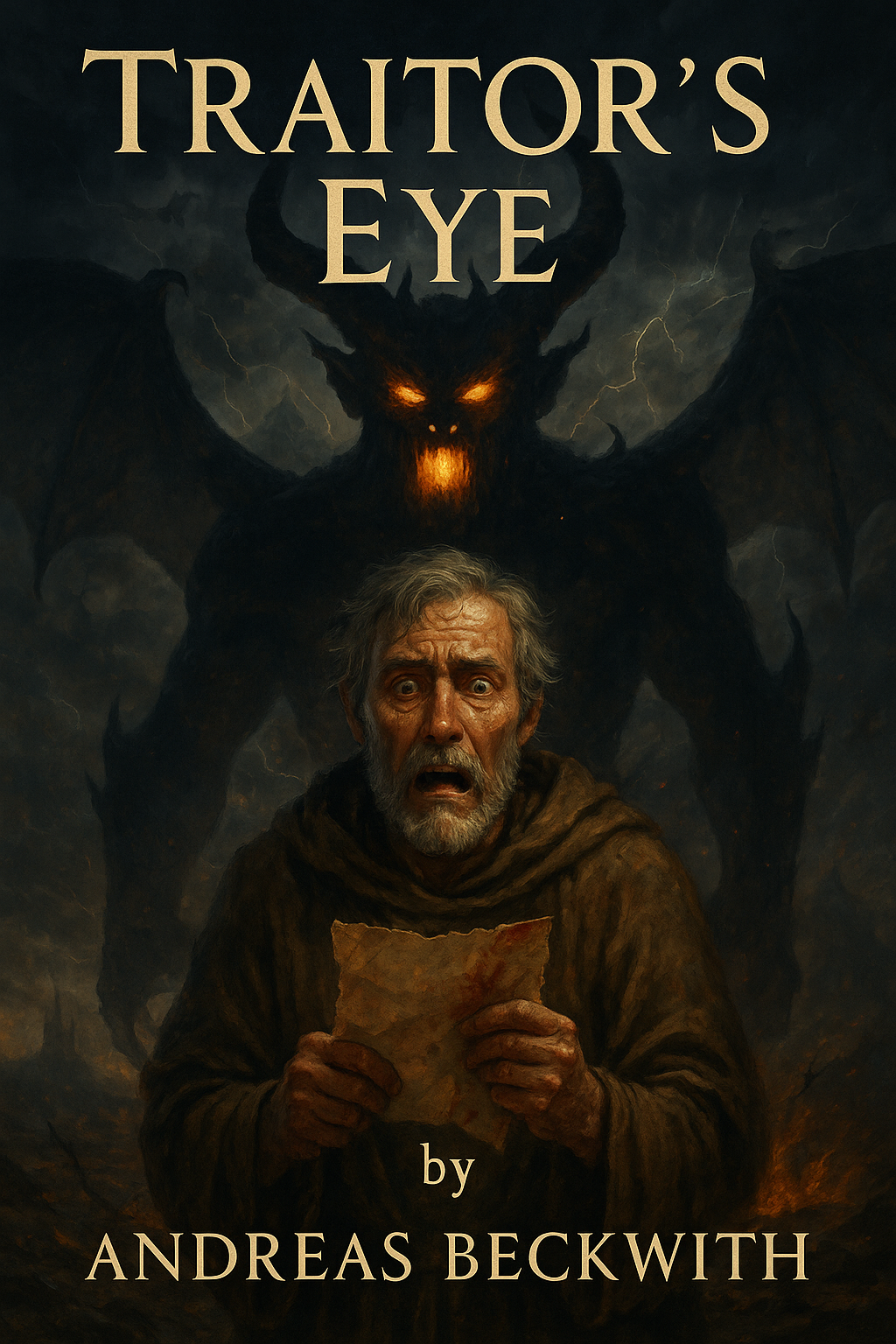
In terms of size, they are three times the size of humans. They also live longer, the average lifespan of a giant is 200 years. However, the lifespan of Guardians is much greater, they can live well beyond 1,000 years. This long lifespan passes in part to their children and their lines. This is not just relevant to the giant dynasty, but in the history of Rumithia in general and will explain a lot in Traitor’s Eye of some key characters and their lifespans.
The Giant Dynasty
This is a key period in Rumithia’s history, and the consequences of this period will reflect directly into Traitor’s Eye. I’ve explored this briefly in one of my earlier blogs, but the giant dynasty is a period of transition in the history of Rumithia. It marks the end of the reign of the Guardians and puts the giants at the centre of power. The heirs of the Guardian Alitek, Felim, Garbhan, Anwir and Alitek, rule over the land, in a period spanning 138 years. Whilst the Giant Dynasty ends in 1394 and Traitor’s Eye doesn’t begin until the year 1554, there are themes that will run into Traitor’s Eye and through the world of Rumithia far beyond that. For example, this period is the genesis of the division of giants into Redbeards and Blackbeards. This is something that is mentioned in my as yet untitled and unpublished series that Traitor’s Eye is a prelude to, so it’s a fitting period to look at.
Next time
In my next blog, I will delve more in detail to this period, as well as let you know a special announcement that will finally open the doors to Rumithia in a first glipse.